The Complete Guide to Commercial Airline Stretcher Services for Safe Patient Transport
When a loved one requires medical transport over long distances, the stress of arranging safe and comfortable travel can be overwhelming. For patients who cannot sit upright during a flight, a provides a vital solution. This service allows individuals with serious medical conditions, recent surgeries, or mobility limitations to lie flat throughout the journey while traveling on a scheduled commercial flight. Unlike private air ambulances, which are often cost-prohibitive, commercial stretcher services offer a more affordable yet medically supervised option. In this article, we explore everything you need to know about commercial airline stretchers, from the booking process to medical requirements, and highlight how this service is transforming patient transport across Canada and beyond.
Learn more about airline stretcher Canada and how it applies to your specific needs.
For families in Canada, especially those in western provinces, accessing reliable services can make a world of difference. Whether you are repatriating a patient from abroad or transferring someone to a specialized treatment center, the ability to secure a stretcher on a commercial flight ensures that the patient receives continuous care without the exorbitant costs of a dedicated air ambulance. The process involves careful coordination between airlines, medical escorts, and ground transportation teams. With proper planning, a commercial airline stretcher can be arranged for domestic flights within Canada, as well as international routes, making it a versatile tool in modern medical logistics.
One region where demand for these services is particularly high is Alberta. Patients in need of transport to or from cities like Calgary, Edmonton, or remote northern communities often rely on providers. These services bridge the gap between local healthcare facilities and major medical hubs. For example, a patient requiring specialized cardiac care in Edmonton might be flown from a smaller hospital in Fort McMurray using a stretcher-equipped commercial flight. The medical team accompanying the patient ensures that vital signs are monitored and any emergencies are handled promptly. This integration of commercial aviation with medical support is a testament to how far patient transport has evolved.
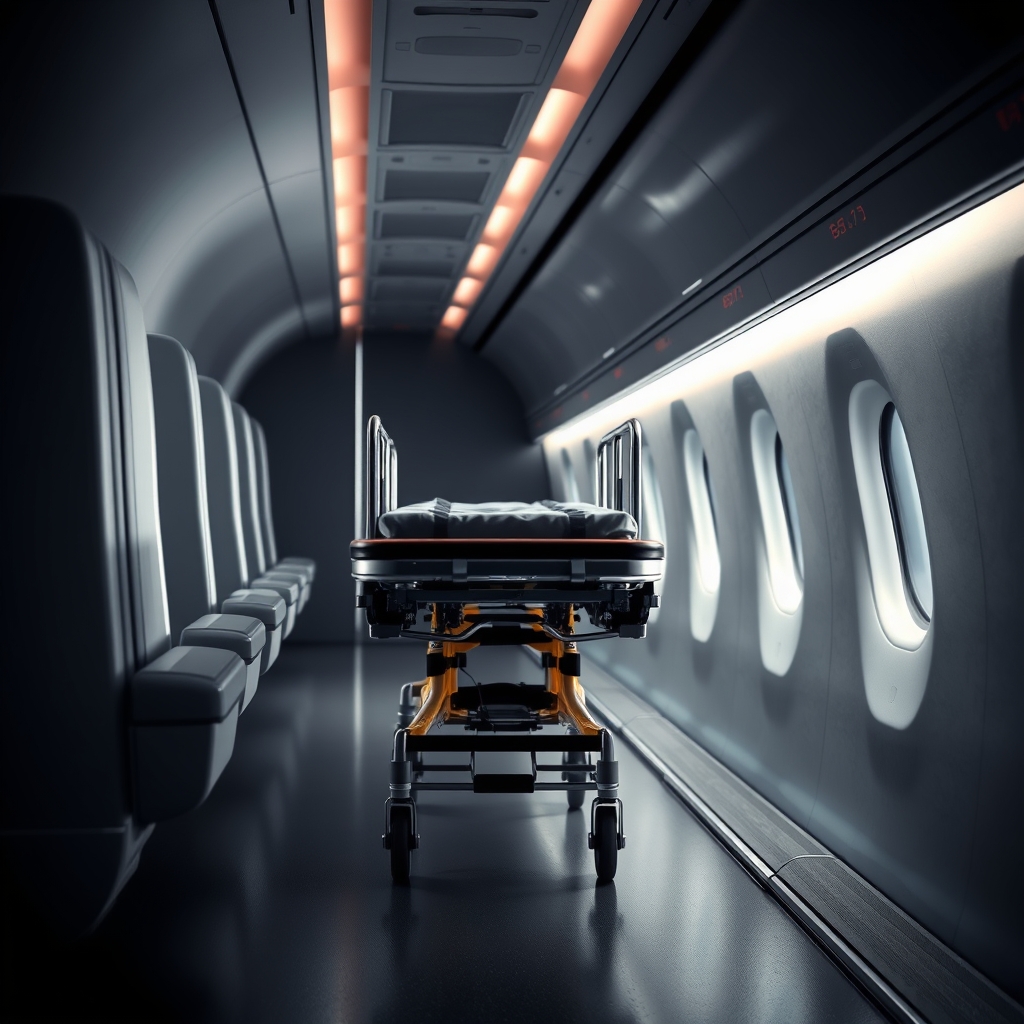
Understanding the logistics of is crucial for healthcare coordinators and families alike. Typically, the airline removes several rows of seats to accommodate a stretcher, which is securely fastened to the aircraft floor. The patient is then transferred from a ground ambulance to the plane using a specialized loading system. Medical escorts, often nurses or paramedics, remain with the patient throughout the flight. They have access to medical equipment such as oxygen, suction, and defibrillators, depending on the patient’s needs. The entire process is governed by strict regulations from aviation authorities and healthcare standards, ensuring safety and comfort at all times.
While commercial airline stretchers are a cost-effective alternative to dedicated air ambulances, they are not suitable for every patient. Patients who are critically unstable, require intensive care unit (ICU) level monitoring, or have contagious diseases may still need an service. However, for many others—such as those with stable fractures, post-operative recovery needs, or chronic conditions requiring rest—a commercial stretcher is ideal. The key is a thorough medical assessment by a qualified physician who can certify that the patient is fit to fly. Airlines have specific medical clearance forms that must be completed, often requiring detailed information about the patient’s condition, medications, and any special equipment needed.
What Is a Commercial Airline Stretcher?
A commercial airline stretcher is a specially designed bed that is installed on a scheduled commercial flight to allow a patient to lie flat during travel. Unlike standard seats, which can exacerbate pain or medical issues, the stretcher provides a stable, reclined position that minimizes discomfort and reduces the risk of complications such as blood clots or pressure sores. The stretcher is typically positioned across several rows of seats, which are removed for the installation. The area is often curtained off to provide privacy. This setup allows the patient to travel alongside other passengers, albeit with medical supervision. The service is available on many major airlines, including Air Canada, WestJet, and others, though advance booking is essential—often at least 48 to 72 hours before departure.
The concept of commercial airline stretchers originated from the need to make air travel accessible for individuals with medical conditions without requiring a full air ambulance. Today, it is a well-established service that adheres to international standards. For example, the International Air Transport Association (IATA) provides guidelines for stretcher transport, ensuring consistency across carriers. The cost of a stretcher is usually calculated as the price of multiple seats—sometimes up to six to nine seats—plus a service fee. While this can still be significant, it is often a fraction of the cost of an air ambulance, which can run into tens of thousands of dollars. For families on a budget, this makes commercial stretchers a lifeline.
Who Needs a Commercial Airline Stretcher?
The typical candidate for a commercial airline stretcher is a patient who cannot sit upright for the duration of a flight due to medical reasons. This includes individuals with spinal injuries, recent major surgeries, severe arthritis, or conditions that require constant bed rest. For instance, a patient who has undergone hip replacement surgery may need to lie flat to avoid dislodging the implant. Similarly, someone with a fractured pelvis or multiple rib fractures may find sitting excruciatingly painful. Additionally, patients with respiratory conditions that require oxygen therapy often benefit from the ability to lie down, as it can improve breathing efficiency. Pregnant women with complications, such as placenta previa or preeclampsia, may also require stretcher transport to ensure safety during the flight.
Learn more about commercial airline stretcher alberta and how it applies to your specific needs.
Another group that frequently uses this service is elderly patients who are being relocated to long-term care facilities or to be closer to family. For example, a senior with advanced dementia who is prone to agitation may be safer and calmer on a stretcher than in a seat. In Canada, where distances between cities are vast, commercial stretchers enable families to bring loved ones home without the trauma of a long road trip. Moreover, medical repatriation from countries like the United States, Mexico, or Europe is a common use case. Patients who fall ill while traveling abroad can be flown back to Canada on a commercial flight with a stretcher, accompanied by a medical team. This is often arranged by travel insurance companies or consular services.
The Booking Process for a Commercial Airline Stretcher
Learn more about stretcher patient transport and how it applies to your specific needs.
Arranging a commercial airline stretcher involves multiple steps, and it is highly recommended to work with a specialized medical transport company that has experience with airline protocols. These companies handle everything from medical clearance to ground ambulance coordination. The first step is a medical assessment by a physician who determines if the patient is stable enough to fly. The doctor must complete a Medical Information Form (MEDIF) or a similar document required by the airline. This form includes details about the patient’s diagnosis, medications, mobility status, and any equipment needed, such as oxygen or a ventilator. The airline’s medical department reviews this form and approves or denies the request based on their criteria.
Once medical clearance is obtained, the next step is to book the stretcher. The airline will allocate the necessary seats and install the stretcher. The cost is typically quoted after the medical clearance is confirmed. It is important to book as early as possible because airlines have a limited number of stretcher positions per flight—often only one or two. After booking, the patient’s ground transport is arranged to the departure airport, and a medical escort is assigned. The escort will meet the patient at the airport, assist with check-in and security, and accompany them on the flight. Upon arrival, another ground ambulance or a family member’s vehicle can pick up the patient. The entire process is designed to be seamless, but it requires meticulous planning.
Medical Considerations and Safety Protocols
Safety is paramount when transporting a patient on a commercial flight. The medical escort, usually a registered nurse or paramedic, is trained to handle in-flight emergencies. They carry a medical kit that includes essential medications, monitoring equipment, and emergency supplies. The patient’s vital signs—heart rate, blood pressure, oxygen saturation—are monitored at regular intervals. If the patient requires oxygen, the airline can provide medical-grade oxygen cylinders, though the patient may also bring their own concentrator if it is approved. The escort must be prepared for potential complications such as a drop in blood pressure, allergic reactions, or changes in consciousness. Communication with the flight crew is constant, and the escort can request an emergency landing if necessary, though this is rare.
Another important consideration is the physical environment of the aircraft. The cabin pressure is lower than at sea level, which can affect patients with certain conditions, such as those with lung disease or recent pneumothorax. The medical clearance process accounts for these risks. For example, a patient with a collapsed lung may need to wait until the lung is fully re-expanded before flying. Similarly, patients with deep vein thrombosis (DVT) may need to wear compression stockings and receive anticoagulants. The escort will also ensure that the patient stays hydrated and moves their limbs periodically to prevent stiffness. The stretcher itself is equipped with safety straps and padding to prevent rolling or sliding during turbulence. All these measures ensure that the patient arrives at their destination in the best possible condition.
Cost Comparison: Commercial Stretcher vs. Air Ambulance
One of the most common questions families ask is about the cost of a commercial airline stretcher compared to an air ambulance. An air ambulance—a dedicated medical jet—can cost anywhere from $15,000 to $50,000 or more for a domestic flight within Canada, depending on distance and medical needs. In contrast, a commercial stretcher typically costs between $5,000 and $15,000, making it significantly more affordable. The exact price depends on factors such as the number of seats required (usually six to nine), the airline’s fees, and the medical escort charges. For international flights, the cost can be higher, but it still undercuts air ambulance rates. Insurance coverage varies: some travel insurance policies cover stretcher transport, but it is important to check the terms. In Canada, provincial health plans generally do not cover medical transport, so private insurance or out-of-pocket payment is common.
Learn more about air ambulance alberta and how it applies to your specific needs.
It is also worth noting that while cost is a major factor, the level of medical care on a commercial stretcher is not as intensive as on an air ambulance. For patients who are stable but need to lie flat, the commercial option is ideal. However, for those who require continuous ICU-level care, an air ambulance with a full medical team and advanced equipment is necessary. In Alberta, for instance, the availability of air ambulance services is high, but they are reserved for emergencies. For non-urgent transfers, the commercial stretcher is the preferred choice. Companies like Jet Companion specialize in coordinating these services, offering expertise in both commercial and air ambulance options, so families can make an informed decision.
How to Choose a Reliable Provider
Selecting a trustworthy medical transport company is critical for a successful stretcher transport. Look for providers that are accredited by organizations such as the Commission on Accreditation of Medical Transport Systems (CAMTS) or have memberships in industry associations like the Air Medical Physician Association (AMPA). Experience with specific airlines is also valuable, as each carrier has unique procedures. A good provider will offer transparent pricing, a clear contract, and a dedicated case manager who communicates with the family throughout the process. They should also have insurance and liability coverage. Reading online reviews and asking for references from previous clients can provide peace of mind. In Canada, companies that offer services often have regional expertise, which is especially important for navigating the logistics of remote airports or international connections.
Another factor to consider is the quality of the medical escort. Ensure that the escort is a licensed healthcare professional with experience in transport medicine. They should be able to handle the patient’s specific condition and be familiar with the equipment being used. The provider should also coordinate ground ambulance services at both ends, ensuring that there is no gap in care. For patients traveling to or from Alberta, working with a company that understands the local healthcare landscape can expedite the process. For example, a provider that offers services will have established relationships with hospitals in Calgary, Edmonton, and smaller communities, making transfers smoother.
FAQs
What is the difference between a commercial airline stretcher and an air ambulance?
A commercial airline stretcher is installed on a regular scheduled flight, allowing the patient to lie flat while traveling alongside other passengers. An air ambulance is a dedicated medical aircraft staffed with a full medical team and equipped with intensive care capabilities. Commercial stretchers are more affordable and suitable for stable patients, while air ambulances are reserved for critically ill or unstable patients.
Can I book a commercial airline stretcher for an international flight?
Yes, commercial airline stretchers are available on many international routes. However, the booking process is more complex due to varying regulations and medical clearance requirements across countries. It is essential to work with an experienced medical transport company that can coordinate with international airlines and handle customs and immigration considerations if needed.
How far in advance do I need to arrange a stretcher?
It is recommended to start the process at least one to two weeks before the intended travel date. The medical clearance form must be submitted to the airline at least 48 to 72 hours in advance, but earlier is better due to limited stretcher availability. Last-minute requests may be possible but are subject to airline approval and space.
Does insurance cover the cost of a commercial airline stretcher?
Coverage varies. Some travel insurance policies include medical transport, but it is important to read the fine print. In Canada, provincial health plans do not cover stretcher transport. Private health insurance may offer partial reimbursement. Always verify with your insurance provider before booking. The medical transport company can often provide documentation to support insurance claims.